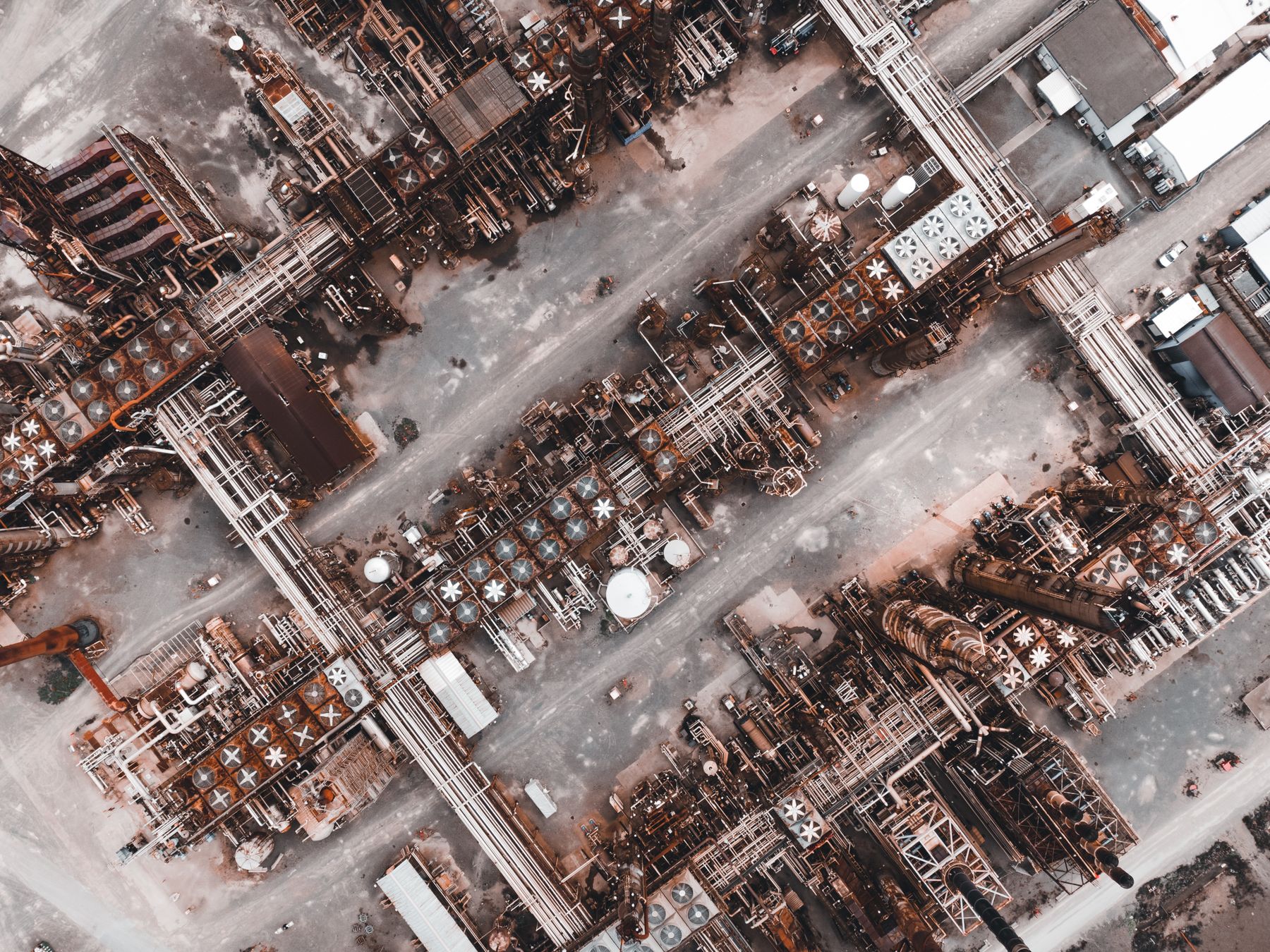
Starting a factory or manufacturing business is a major investment decision. A successful industrial project requires more than purchasing machinery and constructing a building. Land, factory layout, statutory approvals, utilities, environmental requirements, fire safety, machinery, manpower, finance and project documentation must be planned together.
This practical guide explains the major stages involved in planning a new industrial project or expanding an existing manufacturing facility.
- Entrepreneurs starting a manufacturing business
- MSME owners
- Factory owners planning expansion
- Industrial project developers
- Engineers and architects
- Project consultants
- Investors evaluating manufacturing projects
1. Define the Business Before Buying Land
The first step is to clearly understand what the proposed factory will manufacture and how the business will operate.
Before selecting a site, prepare basic information about the product, production capacity, raw materials, manufacturing process, customers, expected selling price and estimated investment.
Product
What product will be manufactured and what specifications will customers require?
Production Capacity
Determine the expected daily, monthly and annual production capacity.
Raw Materials
Identify raw materials, suppliers, storage requirements and logistics.
Market
Identify target customers, distribution channels and geographical markets.
2. Select the Right Industrial Land
Land selection can affect construction cost, transportation, utilities, approvals and future expansion. Therefore, industrial land should be evaluated before making a major financial commitment.
Important factors include:
- Permitted land use
- Legal ownership and documentation
- Industrial zoning
- Road access
- Electricity availability
- Water availability
- Drainage
- Environmental considerations
- Fire access
- Vehicle movement
- Future expansion
Calculate Your Land Area
Planning an industrial project starts with understanding the available land. Use the KTS Nexus Land & Area Tools to convert and calculate land measurements.
Open Land & Area Tools3. Plan the Factory Layout
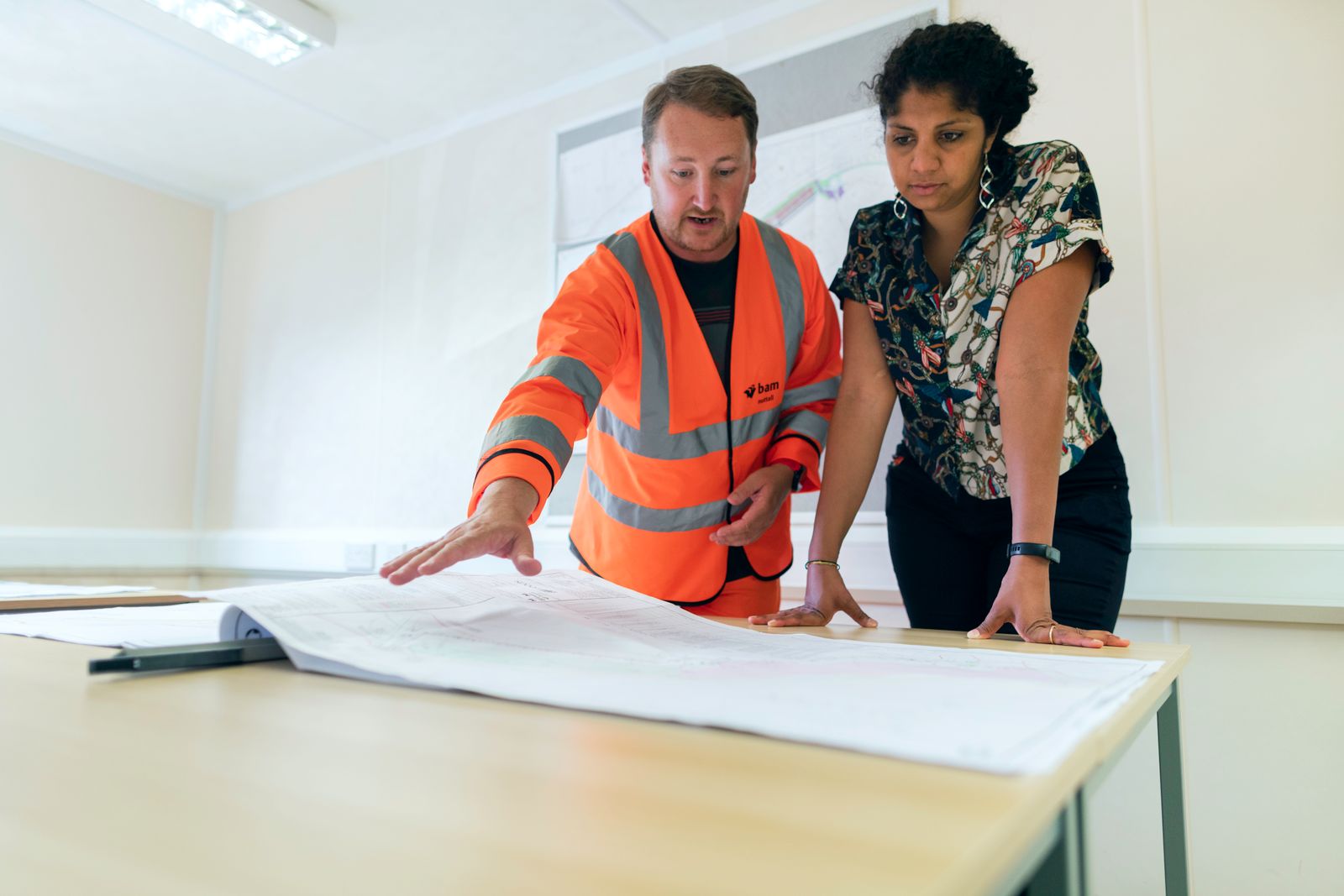
Engineers reviewing project drawings during planning and design.
A factory layout should consider the movement of raw materials, workers, vehicles, machinery and finished products.
A typical manufacturing facility may require:
- Raw material receiving area
- Raw material storage
- Production area
- Quality control area
- Finished goods storage
- Dispatch area
- Utility area
- Maintenance area
- Office and administration area
- Worker facilities
- Internal roads and circulation
- Emergency access
Modern plant-layout planning focuses on the relationship between machines, workstations, storage, people and material movement. Digital layout tools can also help test different arrangements before construction or modification.
4. Identify Industrial Approvals
Approval requirements depend on the country, state or province, local authority, industrial category, project size, manufacturing process and site conditions. There is therefore no single approval list that applies to every factory.
| Area | Possible Requirement |
|---|---|
| Land & Planning | Land-use, zoning or development permissions where applicable |
| Building | Building or development approval |
| Factory | Factory-related plan or registration requirements where applicable |
| Fire & Safety | Fire protection and life-safety requirements |
| Environment | Environmental or pollution-control permissions where applicable |
| Electrical | Power connection and electrical safety requirements |
| Water | Water supply or groundwater permissions where applicable |
| Boiler | Boiler-related approvals where applicable |
5. Plan Electricity, Water and Other Utilities
Utilities should be planned before finalizing the machinery and factory engineering.
Electricity
Estimate connected load, maximum demand, transformers, panels and distribution.
Water
Estimate process, domestic, cooling and fire-water requirements.
Compressed Air
Identify compressor capacity, pressure and distribution requirements.
Waste Management
Plan wastewater, solid waste and other process-specific waste systems.
6. Select Machinery and Equipment
Machinery selection should be based on production capacity, process requirements, quality standards, available utilities, maintenance requirements and total project economics.
Consider the complete equipment requirement:
- Main production machinery
- Material handling equipment
- Testing equipment
- Laboratory equipment
- Packaging equipment
- Electrical equipment
- Utility equipment
- Pollution-control equipment
- Fire and safety systems
- Installation and commissioning
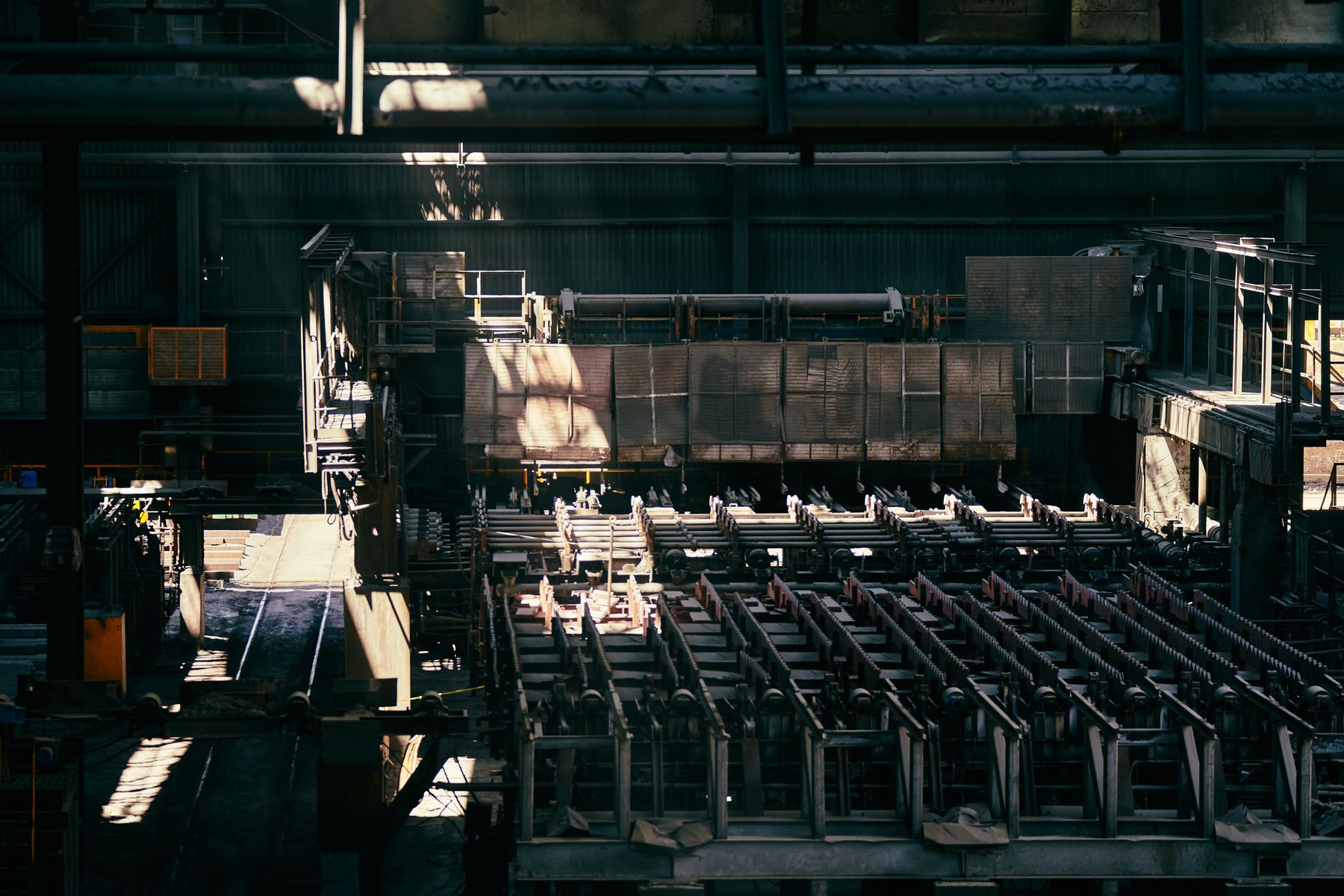
Modern manufacturing environments require coordinated planning of machinery, people, utilities, safety and material movement.
7. Estimate the Total Industrial Project Cost
A realistic project budget should include both fixed investment and working capital. Many new projects underestimate costs because they consider only land, building and machinery.
| Cost Category | Examples |
|---|---|
| Land | Purchase, lease, registration and site-related expenses |
| Site Development | Earthwork, roads, drainage and site infrastructure |
| Building | Factory, warehouse, office and utility structures |
| Machinery | Production and auxiliary equipment |
| Utilities | Power, water, compressed air, cooling and other systems |
| Safety | Fire protection and workplace safety systems |
| Professional Costs | Engineering, drawings, surveys and project documentation |
| Working Capital | Raw materials, salaries, utilities, inventory and operating expenses |
8. Prepare a Detailed Project Report (DPR)
A Detailed Project Report brings the technical, commercial and financial assumptions of a proposed project into one structured document.
A typical DPR can contain:
- Executive summary
- Promoter information
- Product information
- Market analysis
- Manufacturing process
- Production capacity
- Land and building requirements
- Machinery details
- Raw material requirements
- Manpower
- Utilities
- Project cost
- Means of finance
- Revenue assumptions
- Operating expenses
- Profitability projections
- Cash-flow projections
- Implementation schedule
Planning a New Project?
KTS Nexus provides information and professional support related to industrial projects, statutory approvals, compliance, project documentation and business planning, subject to project scope and applicable jurisdiction.
Request Project Consultation9. Plan Fire Safety and Environmental Requirements Early
Fire safety and environmental requirements should be considered during the planning and design stage rather than treated only as post-construction activities.
Depending on the industry and process, the project may need to consider emissions, wastewater, solid waste, hazardous materials, fire load, emergency access, firefighting systems and worker safety.
The exact requirements should always be confirmed for the particular project and jurisdiction.
10. Create an Industrial Project Timeline
A project schedule helps identify dependencies between land, engineering, approvals, construction, machinery procurement and commissioning.
- Business feasibility
- Site identification
- Land due diligence
- Process and capacity planning
- Conceptual layout
- Approval identification
- Engineering and drawings
- Statutory applications
- Civil construction
- Machinery procurement
- Utility installation
- Machinery installation
- Testing and commissioning
- Operational readiness
- Commercial production
Industrial Project Planning Checklist
| Planning Area | Questions to Answer |
|---|---|
| Business | What product, market and production capacity? |
| Land | Is the site suitable for the proposed industrial activity? |
| Layout | Can production, storage, vehicles and people move safely? |
| Approvals | Which permissions apply to the specific project? |
| Utilities | What electricity, water and process utilities are required? |
| Machinery | What equipment is needed for the planned capacity? |
| Environment | What environmental controls may apply? |
| Safety | What fire and workplace safety systems are required? |
| Finance | What is the total investment and working-capital requirement? |
| Execution | What is the project implementation schedule? |
Have an Industrial Project?
Whether you are planning a new factory, manufacturing unit, warehouse, industrial expansion or business project, start by understanding your site, technical requirements, approvals and estimated investment.
Send the following information to KTS Nexus:
- Project location
- Industry / product
- Proposed investment
- Land area
- Current project stage
advisers@ktsnexus.in
Frequently Asked Questions
What is industrial project planning?
Industrial project planning is the coordinated planning of the business, land, factory layout, machinery, utilities, approvals, safety, environment, finance and implementation of an industrial facility.
How much land is required for a factory?
There is no universal land requirement. The required area depends on the production process, building area, storage, vehicle movement, utilities, safety requirements and future expansion.
What approvals are required to start a factory?
The requirements depend on the location, industry, manufacturing process, project size and applicable regulations. A project-specific approval checklist should be prepared rather than relying on a generic list.
What is a DPR?
A Detailed Project Report is a structured document explaining the technical, commercial and financial aspects of a proposed project.
Should approvals be planned before construction?
Approval requirements should be identified early because they can affect site selection, building design, utilities, safety systems, environmental controls and the project schedule.
Final Takeaway
A factory should be planned as an integrated project rather than as separate activities. Business feasibility, land, engineering, approvals, utilities, machinery, safety, environment, finance and implementation should work together.
Good planning can help identify requirements and potential constraints before large financial commitments are made.
KTS Nexus publishes practical information for entrepreneurs, MSMEs, engineers, factory owners and industrial project stakeholders covering industrial projects, approvals, compliance, business planning, DPRs and useful calculation tools.
Information on this page is general and educational. Regulatory requirements vary by jurisdiction and project. Always verify applicable requirements with the relevant authority and qualified professionals before making regulatory, technical or financial decisions.